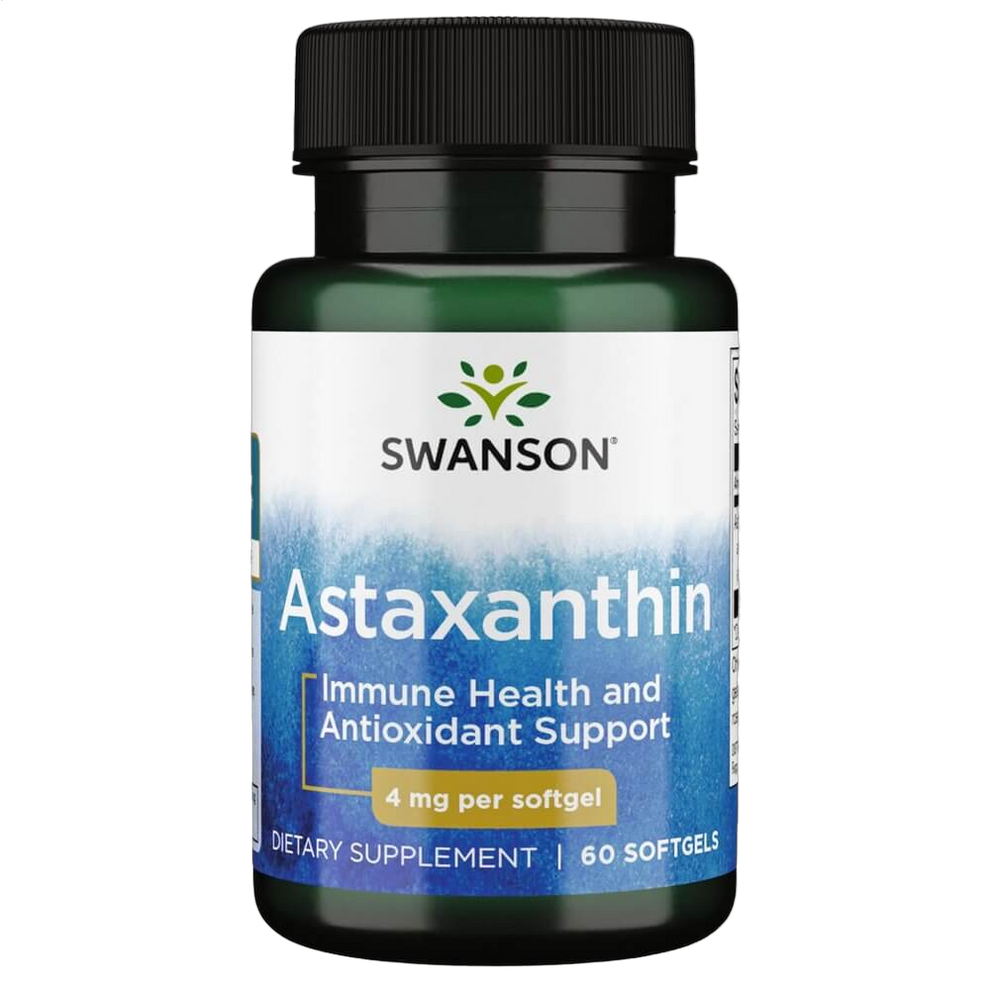
Astaxanthin has risen to prominence among nutraceuticals for its potent antioxidant capacity and a range of health-supporting properties. As UK consumers increasingly seek natural ways to bolster skin health, eye protection, and overall vitality, the market is flooded with a variety of astaxanthin supplement options. This review examines the effectiveness, safety profile, and pricing of leading astaxanthin products available in the United Kingdom, providing a clear, evidence-based guide for anyone considering adding this carotenoid to their daily routine.
What Is Astaxanthin and How Does It Work?
Astaxanthin is a red-pigmented carotenoid found naturally in micro-algae, krill, salmon, and certain yeasts. Its molecular structure features a unique arrangement of double bonds that enables it to neutralise free radicals more efficiently than many other antioxidants, including vitamin C, vitamin E, and coenzyme Q10.
Key Mechanisms
- Free-radical scavenging: Directly neutralises reactive oxygen species (ROS) in cell membranes.
- Anti-inflammatory action: Modulates NF-??B and cytokine production, reducing chronic inflammation.
- Cell-membrane protection: Incorporates into lipid bilayers, stabilising cell integrity under oxidative stress.
Effectiveness: Clinical Evidence and Real-World Benefits
Numerous peer-reviewed studies have explored astaxanthin’s impact on specific health outcomes. While results vary depending on dosage, formulation, and study population, several consistent trends have emerged.
Skin Health
Topical and oral supplementation has been shown to improve skin elasticity, reduce wrinkle depth, and protect against UV-induced damage. A double-blind trial involving 60 adults reported a 20% improvement in skin moisture after 12 weeks of 6″?mg daily astaxanthin.
Eye Support
Astaxanthin crosses the blood-retina barrier, offering protection against age-related macular degeneration (AMD). In a 2012 study, participants taking 4″?mg per day experienced a statistically significant reduction in retinal fatigue during prolonged screen use.
Exercise Recovery
Endurance athletes often use astaxanthin to lessen muscle soreness and oxidative stress. A meta-analysis of six trials concluded that 8-12″?mg daily reduced post-exercise lactate levels by up to 15%.
Cardiovascular Health
Evidence suggests modest improvements in lipid profiles and blood pressure. One 8-week trial with 12″?mg astaxanthin reported a 5% reduction in LDL-cholesterol and a 3″?mmHg drop in systolic pressure.
Safety Profile: What the Research Says
Astaxanthin is generally recognised as safe (GRAS) by regulatory bodies, and adverse events are rare when taken within recommended dosages (4-12″?mg per day for most adults).
- Common side effects: Mild gastrointestinal discomfort or skin colour changes (a subtle orange tint) at very high intakes.
- Drug interactions: May enhance the effects of blood thinners (e.g., warfarin) due to its antioxidant activity; consultation with a healthcare professional is advised.
- Pregnancy & lactation: Limited data; precautionary avoidance is recommended unless advised by a clinician.
Overall, the safety record aligns with that of other well-studied nutraceuticals, making it a viable option for most healthy adults seeking additional antioxidant support.
Choosing a Quality Astaxanthin Supplement in the UK
Not all products are created equal. Factors such as source material, extraction method, and formulation influence potency and bioavailability.
Key Quality Indicators
- Source: Natural astaxanthin derived from Haematococcus pluvialis algae is preferred over synthetic versions.
- Extraction: CO??? supercritical extraction preserves the full spectrum of carotenoids without solvent residues.
- Formulation: Liposomal or oil-based capsules improve absorption compared with plain powder.
- Third-party testing: Look for certificates of analysis (CoA) confirming purity and potency.
For consumers seeking reliable options, the astaxanthin uk market offers several vetted brands that meet these criteria.
Pricing Overview: What to Expect in the UK Market
Price points vary according to dosage, bottle size, and added ingredients (e.g., vitamin”?E or omega-3). Below is a snapshot of typical costs for a 60-day supply:
| Product | Dosage per Capsule | Quantity | Price (GBP) | Cost per Day |
|---|---|---|---|---|
| Standard Astaxanthin 4″?mg | 4″?mg | 60 capsules | ?24.99 | ?0.42 |
| Premium Liposomal 8″?mg | 8″?mg | 30 capsules | ?34.95 | ?1.17 |
| High-Potency 12″?mg + Vitamin”?E | 12″?mg | 90 capsules | ?49.99 | ?0.56 |
Bulk purchases or subscription services often reduce the per-day cost by 10-15%, making long-term use more affordable.
How to Incorporate Astaxanthin Into a Daily Routine
Optimal absorption occurs when the supplement is taken with a meal containing dietary fat, as astaxanthin is fat-soluble.
- Morning: One capsule with breakfast (e.g., oatmeal with nuts).
- Evening (optional for higher doses): Second capsule with dinner.
- Consistency: Benefits accrue over 8-12 weeks of regular use.
Pairing astaxanthin with a balanced diet rich in antioxidants (berries, leafy greens) can amplify its protective effects.
Final Verdict
Astaxanthin stands out as a scientifically backed antioxidant that delivers measurable benefits for skin, eyes, exercise recovery, and cardiovascular health when taken at appropriate dosages. The safety profile is favourable, with minimal side effects reported in clinical settings. Pricing in the United Kingdom is competitive, especially for products that adhere to high manufacturing standards and provide transparent third-party testing.
For those seeking a reputable astaxanthin supplement uk, selecting a natural, algae-derived formulation with proven bioavailability is the most prudent approach. Regular, fat-accompanied intake over several months is key to unlocking the full spectrum of benefits.
Overall, the balance of efficacy, safety, and cost makes astaxanthin a compelling addition to a well-rounded health regimen for UK consumers.
About the Author


