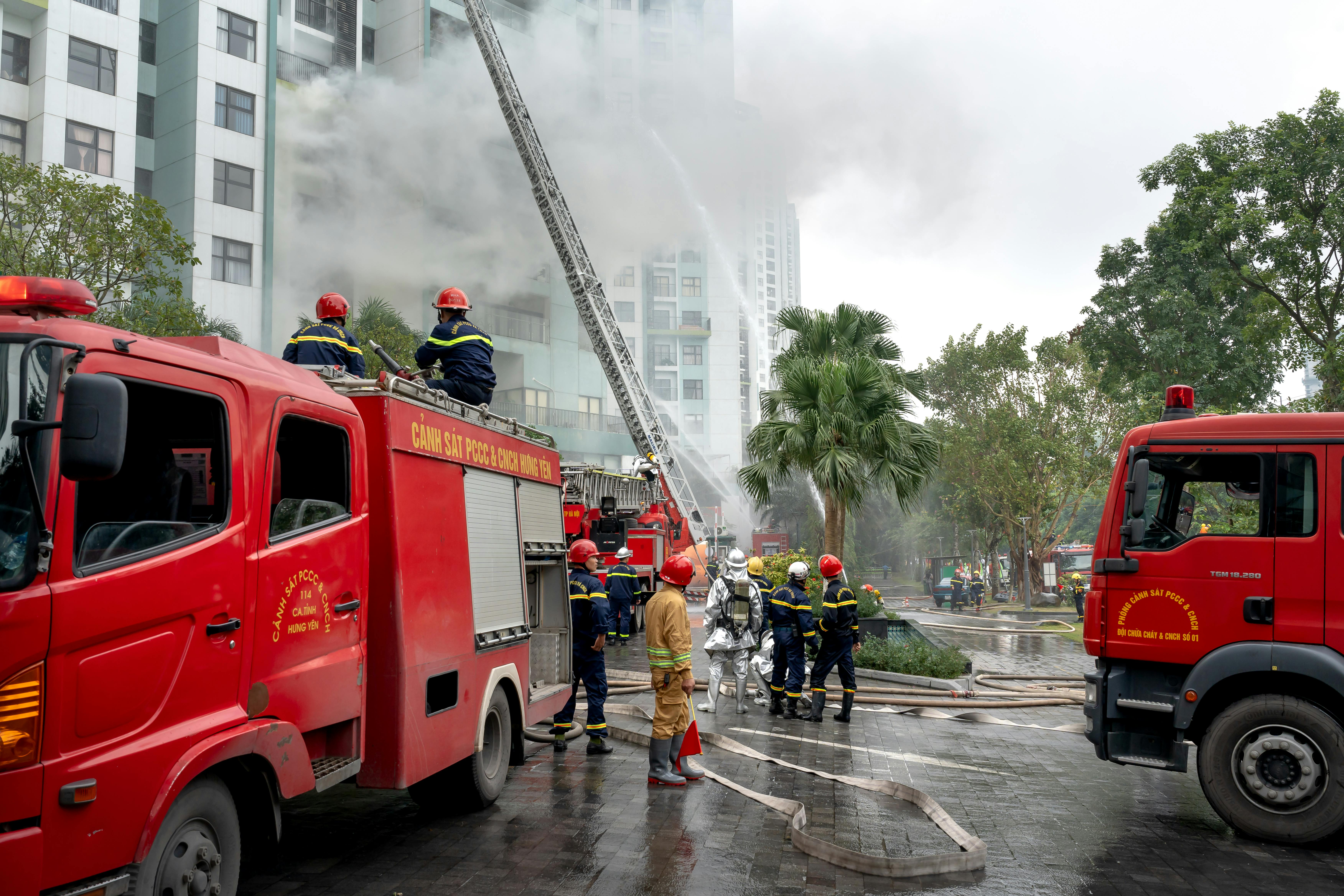
In today’s unpredictable environment, organizations of all sizes must be prepared to respond swiftly and effectively to emergencies. A comprehensive emergency planning service equips businesses, schools, and community groups with the tools, protocols, and training needed to protect people, assets, and reputation when a crisis strikes. By integrating risk assessment, communication strategies, and continuous improvement cycles, these services transform reactive responses into proactive resilience.
Key Components of an Effective Emergency Plan
Risk Assessment and Hazard Identification
- Conduct systematic evaluations of physical, technological, and human-related threats.
- Prioritize hazards based on likelihood and potential impact.
- Document findings in a clear, actionable matrix for quick reference.
Communication Protocols
- Establish a multi-channel notification system (SMS, email, public address, social media).
- Define roles for spokespersons, incident commanders, and support staff.
- Include templates for internal alerts and external media statements.
Resource Allocation and Logistics
- Identify critical supplies such as first-aid kits, fire extinguishers, and backup power.
- Map evacuation routes, assembly points, and shelter locations.
- Assign responsibilities for equipment checks and maintenance.
Implementing the Plan: Training and Exercises
Training is the bridge between a written plan and a functional response. Regular drills, tabletop exercises, and scenario-based simulations help embed procedures into daily operations.
- Orientation Sessions: Introduce new employees to emergency protocols during onboarding.
- Quarterly Drills: Conduct fire, lockdown, and evacuation drills to reinforce muscle memory.
- After-Action Reviews: Capture lessons learned and adjust the plan accordingly.
For a deeper dive into structured training frameworks, Discover expert strategies here.
Technology Integration for Real-Time Response
Modern emergency planning leverages technology to streamline detection, reporting, and coordination.
- Automated sensor networks for fire, gas, and intrusion detection.
- Cloud-based incident management platforms that centralize data and enable remote oversight.
- Mobile apps that provide instant check-in, location tracking, and two-way communication.
Organizations seeking practical guidance on digital tools can Explore advanced guides and tips.
Continuous Improvement and Compliance
Regulatory requirements evolve, and so must emergency plans. Ongoing reviews ensure alignment with local legislation, industry standards, and best-practice frameworks.
- Schedule annual audits to verify compliance with occupational health and safety regulations.
- Incorporate feedback from employees, emergency responders, and stakeholders.
- Update contact lists, supplier agreements, and recovery timelines on a rolling basis.
To understand how systematic reviews enhance resilience, Find out more about this approach.
Benefits of Professional Emergency Planning Services
- Reduced Downtime: Faster containment and recovery minimize operational interruptions.
- Enhanced Safety Culture: Clear procedures boost confidence among staff and visitors.
- Risk Mitigation: Proactive measures lower the probability of severe incidents.
- Insurance Advantages: Documented plans can lead to lower premiums and favorable underwriting.
Choosing the Right Partner
When selecting an emergency planning provider, consider expertise, customization capabilities, and post-implementation support. A partner that offers tailored solutions, rather than one-size-fits-all templates, will align strategies with unique operational realities.
For examples of customized service offerings, Learn about our tailored solutions.
Conclusion
Effective crisis response hinges on meticulous planning, regular training, technology integration, and a commitment to continuous improvement. By engaging specialized emergency planning services, organizations can transform uncertainty into structured readiness, safeguarding people and assets while maintaining business continuity. The investment in preparedness not only complies with regulatory expectations but also builds a resilient culture that can withstand any unexpected event.
About the Author