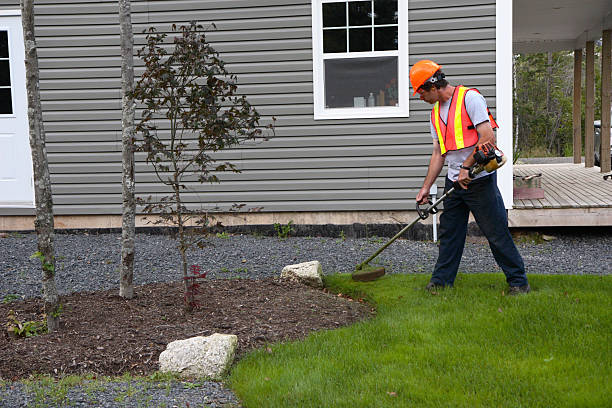
Soft landscaping transforms a garden from a simple plot of earth into a personalized outdoor sanctuary. By thoughtfully integrating elements such as planting schemes, mulches, pathways, and decorative features, homeowners can create spaces that reflect their lifestyle, enhance property value, and promote environmental health. This article explores the key components of soft landscaping, the benefits of professional design, and practical steps to achieve a garden that feels uniquely yours.
Understanding Soft Landscaping
Soft landscaping refers to the living and non-structural elements of a garden. Unlike hardscape features such as patios or retaining walls, softscape focuses on flora, soil, and organic materials that evolve over time.
Core Elements
- Plants and Trees: Selection based on climate, soil type, and aesthetic goals.
- Mulch and Groundcovers: Provide moisture retention, weed suppression, and visual cohesion.
- Pathways and Borders: Natural stone, gravel, or bark create flow and define zones.
- Water Features: Small ponds or fountains add movement and sound.
Benefits of Professional Soft Landscaping Services
Engaging experts in soft landscaping can streamline the design and implementation process, ensuring that every element works harmoniously. Professional input helps avoid common pitfalls such as over-planting, poor drainage, or mismatched species.
Key Advantages
- Tailored Plant Selection – Specialists assess micro-climates and recommend species that thrive locally.
- Soil Optimization – Soil testing and amendment improve nutrient balance and structure.
- Sustainable Practices – Use of native plants, rain gardens, and efficient irrigation reduces water consumption.
- Long-Term Maintenance Planning – Clear schedules for pruning, fertilising, and pest management extend the garden’s lifespan.
For a deeper dive into the planning process, Read more about this topic.
Designing a Personalized Garden
Creating a garden that mirrors personal taste involves a blend of creativity and practicality. Below are steps to guide the design journey.
1. Define the Purpose
- Relaxation zone – seating, shade, and soothing plant palettes.
- Entertaining area – open lawns, low-maintenance borders, and lighting.
- Play space – durable groundcovers and safety-focused plant choices.
2. Conduct a Site Analysis
- Sun exposure – map morning, afternoon, and full-sun zones.
- Soil type – identify clay, sandy, or loamy conditions.
- Drainage patterns – locate low-lying areas prone to waterlogging.
3. Choose a Plant Palette
- Native species – support local wildlife and require less maintenance.
- Seasonal interest – combine evergreens with flowering perennials for year-round appeal.
- Texture contrast – pair fine-leafed grasses with bold-leaf shrubs.
To explore specific plant combinations, Learn more in this detailed guide.
4. Incorporate Functional Features
- Pathways – use reclaimed bricks or permeable pavers to guide foot traffic.
- Seating – integrate benches or low walls that blend with the planting scheme.
- Lighting – low-voltage LED fixtures highlight focal points without glare.
Maintenance Strategies for Longevity
Even the most thoughtfully designed garden requires ongoing care. Implementing a maintenance routine protects plant health and preserves aesthetic value.
Routine Tasks
- Watering – early morning irrigation reduces evaporation.
- Weeding – regular removal prevents competition for nutrients.
- Pruning – seasonal trimming encourages vigorous growth and shape.
Seasonal Adjustments
- Spring – fertilise, divide perennials, and plant annuals.
- Summer – monitor moisture levels and mulch to retain soil humidity.
- Autumn – clear fallen leaves, prepare soil for winter, and plant hardy shrubs.
- Winter – protect delicate plants with frost cloths and limit foot traffic on wet ground.
For a comprehensive maintenance calendar, Explore further insights here.
Eco-Friendly Soft Landscaping Practices
Modern gardens increasingly prioritize sustainability. Soft landscaping offers numerous opportunities to reduce environmental impact.
Water Conservation
- Rainwater harvesting – store runoff for irrigation.
- Drip irrigation – deliver water directly to root zones.
- Drought-tolerant plants – minimise watering needs.
Soil Health
- Composting – recycle garden waste into nutrient-rich mulch.
- Cover crops – protect soil from erosion and improve structure.
- Organic amendments – use well-rotted manure or biochar.
To understand how these practices integrate into a full garden plan, Find additional information here.
Conclusion
Personalizing a garden through soft landscaping blends artistry with ecological stewardship. By selecting appropriate plants, designing functional spaces, and committing to sustainable maintenance, a garden can become a living extension of personal style and a haven for relaxation. Leveraging professional expertise ensures that each element works in concert, delivering a cohesive, low-maintenance landscape that evolves beautifully over time.
About the Author