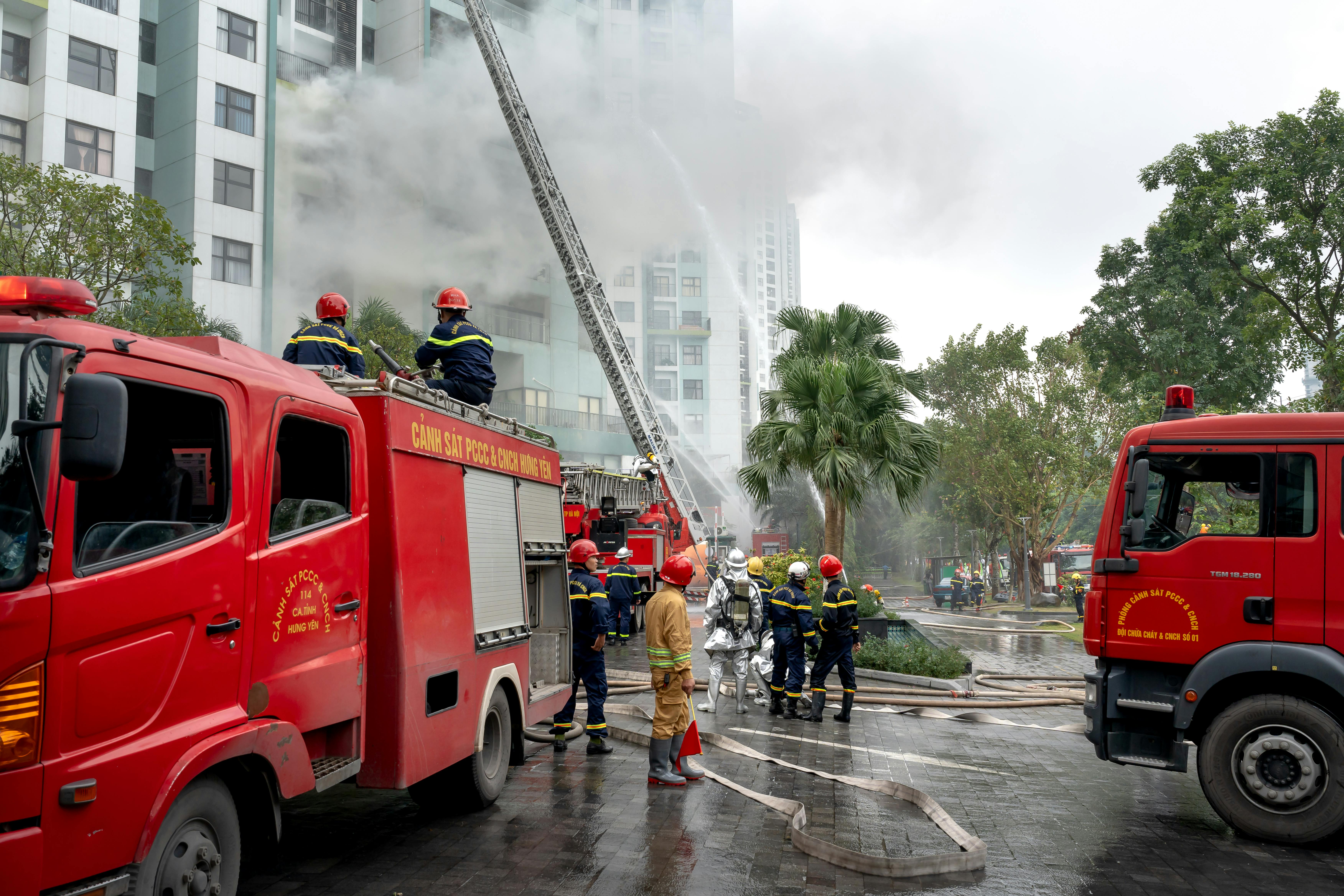
Fire protection consulting has evolved from a simple compliance checklist into a strategic discipline that safeguards assets, preserves lives, and protects brand reputation. Modern businesses face complex regulations, diverse facility layouts, and emerging hazards that demand customized, comprehensive plans. By integrating risk assessments, engineering solutions, and ongoing training, a tailored fire protection strategy ensures that every potential fire scenario is addressed before it becomes a crisis.
Why Tailored Fire Protection Plans Matter
One-size-fits-all solutions rarely meet the nuanced needs of today’s organizations. A customized approach considers:
- Specific building codes and local ordinances.
- Unique occupancy types and operational workflows.
- Existing fire suppression systems and their integration potential.
- Budget constraints while maximizing safety outcomes.
For a deeper dive into the methodology behind these strategies, Discover expert strategies here.
Core Components of a Comprehensive Fire Protection Plan
1. Detailed Risk Assessment
A thorough risk assessment identifies fire hazards, evaluates likelihood, and estimates potential impact. Key steps include:
- Site walkthroughs to locate ignition sources and combustible materials.
- Review of historical incident data and near-miss reports.
- Analysis of building layout, ventilation, and egress routes.
- Consultation with stakeholders to understand operational nuances.
2. System Design and Engineering
Engineering solutions must align with the identified risks and regulatory requirements. Typical elements are:
- Selection of appropriate fire detection technologies (smoke, heat, flame sensors).
- Design of suppression systems, sprinklers, gaseous agents, or water mist, tailored to the protected area.
- Integration of alarm and communication systems for rapid response.
- Ensuring redundancy and fail-safe mechanisms to maintain functionality during power loss.
For practical guidance on system selection, Learn about our tailored solutions.
3. Regulatory Compliance and Documentation
Compliance is not merely a legal obligation; it serves as a benchmark for safety excellence. Effective documentation includes:
- Fire safety plans approved by local fire authorities.
- Maintenance logs for all fire protection equipment.
- Training records and drill results.
- Periodic review schedules to incorporate code updates.
4. Training and Emergency Preparedness
Even the most sophisticated systems fail without knowledgeable personnel. Training programs should cover:
- Operation of fire alarms and suppression equipment.
- Evacuation procedures and assembly point protocols.
- Roles and responsibilities during an emergency.
- Regular fire drills to reinforce muscle memory.
Additional resources for building an effective training curriculum can be found by Explore advanced guides and tips.
Implementing the Plan: Step-by-Step Approach
Successful implementation follows a logical sequence that minimizes disruption while maximizing safety gains.
- Initial Consultation: Gather facility data, stakeholder goals, and budget parameters.
- Risk Assessment Report: Deliver a comprehensive document outlining hazards and recommended controls.
- Design Proposal: Present engineered solutions with cost estimates and compliance mapping.
- Installation & Integration: Coordinate with contractors to install detection and suppression systems.
- Testing & Commissioning: Verify system performance through functional tests and third-party inspections.
- Training & Documentation: Conduct staff workshops and provide all required paperwork.
- Ongoing Maintenance: Schedule regular inspections, system updates, and refresher trainings.
Measuring Effectiveness and Continuous Improvement
Fire protection is a dynamic field; continuous monitoring ensures the plan remains robust.
- Key Performance Indicators (KPIs): Track response times, false alarm rates, and inspection compliance.
- Incident Analysis: Review any fire events or near-misses to identify gaps.
- Technology Updates: Adopt emerging detection methods such as AI-driven video analytics.
- Regulatory Changes: Stay informed about code revisions and integrate them promptly.
For ongoing insights into best practices, Find out more about this approach.
Conclusion
Tailored fire protection consulting transforms fire safety from a static requirement into a proactive, resilient system. By combining meticulous risk assessment, engineered solutions, regulatory diligence, and comprehensive training, organizations achieve comprehensive coverage that protects people, property, and reputation. Leveraging expert guidance and staying committed to continuous improvement ensures that fire protection remains a strategic advantage in an ever-changing risk landscape.
About the Author