When it comes to enhancing curb appeal, durability, and overall value, concrete work stands out as a cornerstone of residential construction. Homeowners looking to invest in driveways, patios, walkways, or decorative flooring need contractors who combine technical skill with an eye for design. Selecting the right professional ensures that the finished product not only meets structural standards but also aligns with aesthetic goals. Below is a comprehensive guide to identifying top residential concrete contractors, highlighting key criteria, project considerations, and best-practice tips for a successful outcome.
What Sets Leading Residential Concrete Contractors Apart
Quality concrete work is the result of several intertwined factors. The most reputable contractors demonstrate excellence in the following areas:
- Technical Certification: Proper licensing, insurance, and certifications from recognized industry bodies confirm a contractor’s competence.
- Portfolio Diversity: A varied body of work, from modern stamped patios to traditional slab foundations, shows adaptability to different styles and client needs.
- Material Knowledge: Understanding the nuances of mix designs, additives, and curing processes guarantees longevity and performance.
- Project Management: Clear timelines, transparent budgeting, and consistent communication reduce the risk of delays and cost overruns.
- Customer Feedback: Positive reviews and repeat business are reliable indicators of satisfaction and reliability.
Essential Steps in the Contractor Selection Process
1. Research and Shortlist
Begin by compiling a list of local contractors with proven experience in residential projects. A useful starting point is to Discover expert strategies here, where industry-specific resources can help narrow down candidates based on location, specialties, and client ratings.
2. Verify Credentials
Check each contractor’s licensing status, insurance coverage, and any affiliations with professional organizations such as the American Concrete Institute (ACI). Request copies of certificates and confirm that they are up to date.
3. Review Past Work
Ask for a portfolio that includes before-and-after photographs, project descriptions, and references. Pay special attention to projects similar in scope to yours, whether it’s a decorative patio, a reinforced driveway, or a custom indoor floor.
4. Obtain Detailed Estimates
A transparent estimate should break down labor, materials, equipment, and any ancillary costs (e.g., site preparation, permits). Compare at least three quotes to gauge market rates and identify any outliers.
5. Evaluate Communication
Effective communication is a hallmark of professionalism. Contractors who respond promptly, explain technical details in layman’s terms, and provide written contracts demonstrate reliability.
Key Considerations for Specific Concrete Projects
- Driveways: Focus on load-bearing capacity, surface texture for slip resistance, and proper joint placement to accommodate expansion.
- Patios & Walkways: Consider decorative finishes such as stamping, staining, or exposed aggregate to complement the home’s architectural style.
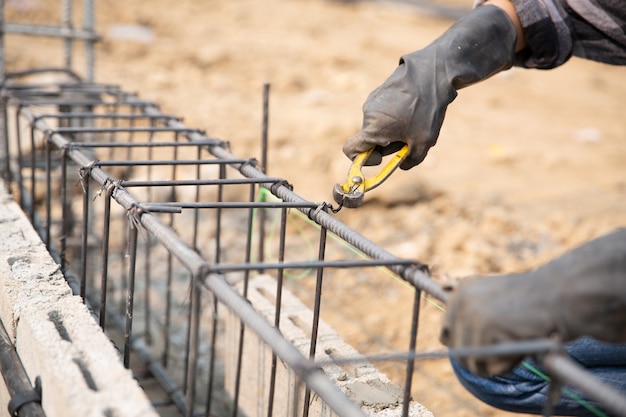
- Foundations & Slabs: Emphasize reinforcement (rebar or mesh), moisture barriers, and precise levelness to support structural integrity.
- Indoor Flooring: Prioritize low-VOC sealers and polishing techniques that enhance durability while maintaining indoor air quality.
Maintaining Your Concrete Investment
Even the best-executed concrete work benefits from regular upkeep. Follow these maintenance practices to extend the lifespan of your installation:
- Seal surfaces every 2-3 years to protect against moisture infiltration and chemical staining.
- Promptly address cracks or spalling by cleaning the area and applying appropriate repair compounds.
- Use pH-neutral cleaners; avoid harsh acids that can degrade the cement matrix.
- Schedule periodic inspections, especially after extreme weather events, to catch early signs of wear.
Finding Tailored Solutions for Your Home
Every residential project has unique constraints, site slope, soil composition, local climate, and design preferences all play a role. For homeowners seeking customized guidance, the right contractor can offer solutions that balance aesthetics with performance. Detailed consultations often reveal opportunities for cost-effective upgrades, such as incorporating fiber reinforcement or selecting high-early-strength mixes for faster occupancy.
To explore how these tailored approaches can be applied to a specific project, Learn about our tailored solutions. This resource provides case studies and technical notes that illustrate practical adaptations for various home environments.
Conclusion: Making an Informed Choice
Choosing a residential concrete contractor is a decision that influences both the immediate visual impact and the long-term durability of a home improvement. By prioritizing certified expertise, reviewing comprehensive portfolios, demanding transparent estimates, and ensuring clear communication, homeowners can confidently select a partner capable of delivering high-quality results. For additional insights and step-by-step guidance on managing concrete projects from start to finish, Explore advanced guides and tips. Armed with the right information, the journey from concept to finished concrete becomes a seamless and rewarding experience.
About the Author


