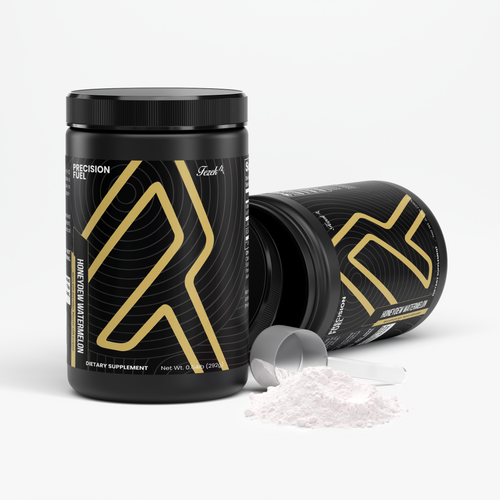
Choosing the right supplement stack can be the difference between a plateau and a breakthrough in workout performance. With countless products on the market, it is essential to understand the science behind each ingredient, how they interact, and which combinations align with personal goals, training frequency, and dietary considerations. This guide breaks down the core categories of performance enhancers, outlines how to evaluate quality, and provides a systematic approach to building a stack that supports strength, endurance, recovery, and overall health.
Understanding the Main Categories of Performance Supplements
1. Strength and Power Enhancers
- Creatine Monohydrate – Increases phosphocreatine stores, allowing for higher ATP regeneration during short, intense efforts.
- Beta-Alanine – Buffers intramuscular acidity, delaying fatigue in high-rep sets and HIIT sessions.
- Branched-Chain Amino Acids (BCAAs) – Provide a quick source of leucine to stimulate muscle protein synthesis during training.
2. Endurance and Aerobic Support
- Citrulline Malate – Boosts nitric oxide production, improving blood flow and oxygen delivery to working muscles.
- Beta-Hydroxy-Beta-Methylbutyrate (HMB) – Helps preserve lean mass during prolonged cardio sessions.
- Electrolyte Blends – Maintain fluid balance and prevent cramping during long-duration workouts.
3. Recovery and Muscle Repair
- Whey Protein Isolate – Delivers fast-digesting amino acids to kick-start recovery post-exercise.
- Glutamine – Supports immune function and gut health, which can be compromised by intense training cycles.
- Omega-3 Fatty Acids – Reduce inflammation and aid joint health, allowing for consistent training.
Key Factors to Evaluate When Selecting Supplements
- Scientific Backing – Prioritize ingredients with peer-reviewed research supporting efficacy at the dosages listed.
- Purity and Testing – Look for third-party certifications (e.g., NSF, Informed-Sport) that verify label accuracy and absence of contaminants.
- Formulation Synergy – Choose products that combine complementary ingredients, such as creatine with beta-alanine, to maximize performance without redundant dosing.
- Personal Goals & Training Style – Align the stack with specific objectives, strength, hypertrophy, endurance, or recovery.
- Allergen and Sensitivity Considerations – Verify that the supplement is free from common allergens (e.g., gluten, dairy) if relevant.
Building a Balanced Stack: Step-by-Step Process
- Identify Primary Goal – Decide whether the focus is maximal strength, muscular endurance, or rapid recovery.
- Choose Core Ingredient(s) – Select one or two proven compounds that directly address the goal (e.g., creatine for strength).
- Add Supportive Nutrients – Incorporate secondary agents that enhance the core’s effect, such as citrulline for improved pump during a strength-oriented session.
- Consider Timing – Plan pre-workout, intra-workout, and post-workout dosing to optimize absorption and effectiveness.
- Test and Adjust – Track performance metrics, recovery quality, and any side effects for 4-6 weeks before fine-tuning the stack.
Sample Stacks for Common Training Goals
Powerlifting / Max Strength
- Creatine Monohydrate – 5″?g daily
- Beta-Alanine – 3.2″?g split into two doses
- Whey Protein Isolate – 25″?g post-session
- Omega-3 Fish Oil – 2″?g with meals
For detailed dosing strategies, Discover expert strategies here.
Bodybuilding / Hypertrophy
- Creatine Monohydrate – 5″?g daily
- BCAAs (2:1:1 ratio) – 10″?g intra-workout
- Citrulline Malate – 6″?g pre-workout
- Whey Protein Isolate – 30″?g within 30″?minutes post-workout
To explore more nuanced protocols, Learn about our tailored solutions.
Endurance / Conditioning
- Citrulline Malate – 8″?g pre-run
- Electrolyte Powder – 1 serving during activity
- Beta-Hydroxy-Beta-Methylbutyrate (HMB) – 3″?g daily
- Glutamine – 5″?g post-session
Additional guidance on electrolyte balance can be found by Explore advanced guides and tips.
Safety, Regulations, and Long-Term Use
- Start with the lowest effective dose to assess tolerance.
- Maintain adequate hydration, especially when using creatine or beta-alanine.
- Rotate or cycle certain compounds (e.g., beta-alanine) to prevent desensitization.
- Consult a healthcare professional if you have pre-existing conditions or are on medication.
Integrating Supplements with Nutrition and Training
Supplements amplify, not replace, a solid nutrition foundation. Prioritize whole-food protein sources, complex carbohydrates, and a variety of vegetables to supply micronutrients that support recovery. Align training volume and intensity with supplementation cycles to avoid overreaching. For a comprehensive approach that merges diet, training, and supplementation, Find out more about this approach.
Conclusion
Crafting the ideal performance stack requires a clear understanding of individual goals, scientific evidence, and product quality. By focusing on core ingredients, adding synergistic support, and monitoring outcomes, athletes can create a personalized regimen that drives measurable improvements while safeguarding health. Continuous education and thoughtful experimentation remain the cornerstone of long-term success in the ever-evolving landscape of workout performance supplements.
About the Author


