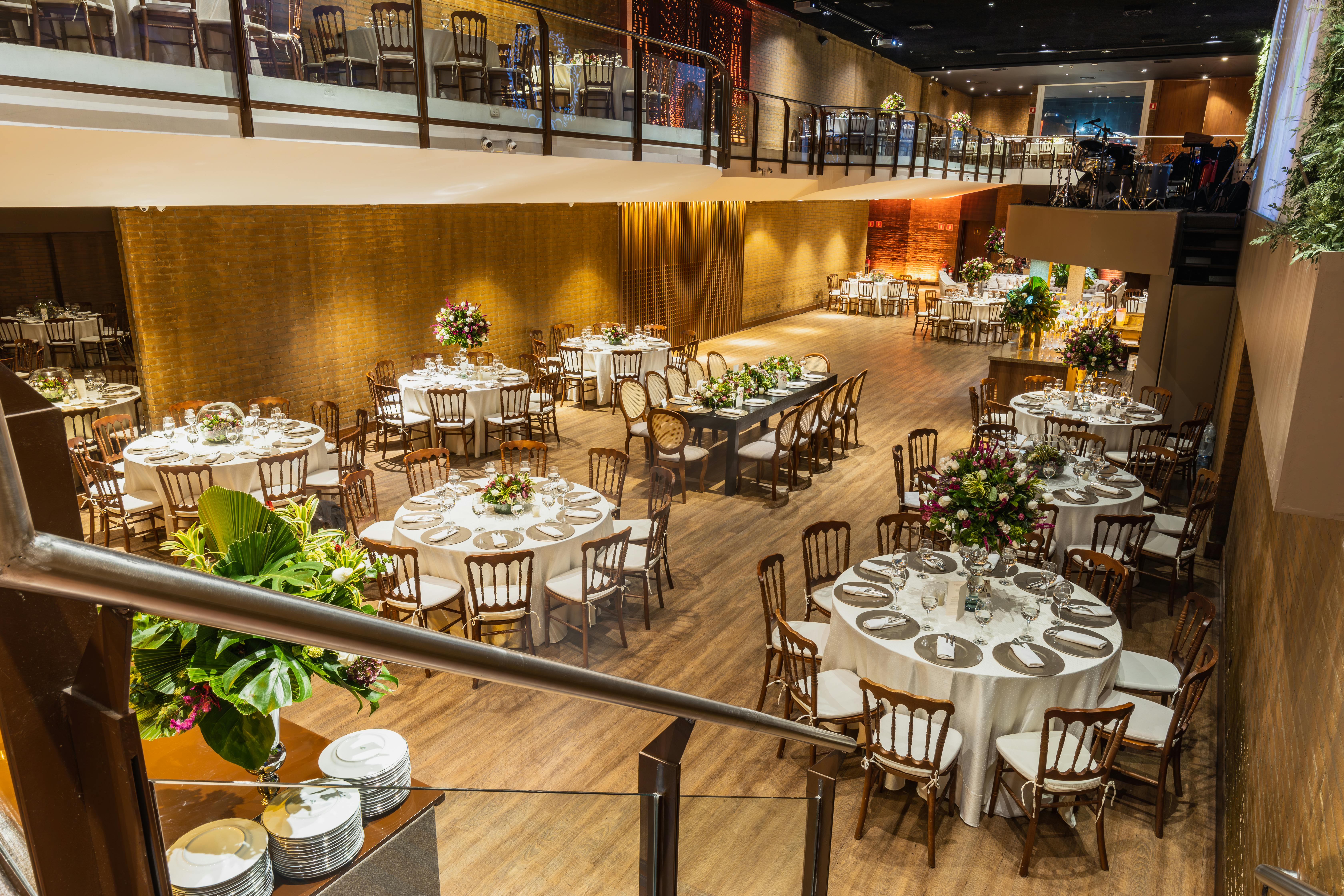
Choosing the perfect wedding venue is a pivotal decision that shapes the entire celebration. When a venue also offers in-house catering, couples can streamline logistics, maintain consistent quality, and often benefit from cost efficiencies. This article outlines the key factors to consider, highlights the most common types of venues that provide on-site culinary services, and offers practical tips for evaluating catering options to ensure the day runs smoothly and tastes unforgettable.
Why In-House Catering Matters
Integrating catering with the venue itself brings several advantages that go beyond convenience.
- Coordinated Service: Staff members are accustomed to the venue’s layout, timing, and equipment, reducing the risk of miscommunication.
- Consistent Quality Control: The same culinary team prepares and serves every dish, ensuring uniform flavor and presentation.
- Simplified Logistics: Fewer vendors mean fewer contracts, invoices, and coordination points on the wedding day.
- Potential Cost Savings: Bundling venue rental and catering can result in package discounts.
For a deeper dive into the benefits of venue-based catering, Read more about this topic.
Types of Venues with In-House Catering
Historic Mansions and Estates
These properties often feature grand ballrooms, manicured gardens, and elegant architecture. Their on-site kitchens are typically staffed by experienced chefs who can create menus ranging from classic to contemporary.
- Ideal for couples seeking a timeless, luxurious atmosphere.
- Often include private dining rooms for intimate family gatherings.
- Seasonal outdoor spaces can be paired with indoor service for flexible weather planning.
Modern Event Lofts and Industrial Spaces
Converted warehouses and lofts provide a sleek, minimalist backdrop that can be customized to any theme. In-house catering teams in these venues are accustomed to flexible menu designs and innovative plating.
- Open floor plans allow for creative seating arrangements.
- High ceilings and exposed brick add visual interest without extra d??cor costs.
- Often equipped with state-of-the-art audiovisual equipment for entertainment.
Resort and Destination Locations
Resorts that host weddings typically have multiple banquet halls, beachfront pavilions, and dedicated culinary staff. Their in-house catering can accommodate large guest lists while offering local flavors.
- All-inclusive packages simplify budgeting.
- On-site accommodations for guests reduce travel logistics.
- Access to landscaped gardens, pools, or ocean views for ceremony settings.
To explore how destination venues manage catering logistics, Learn more in this detailed guide.
Key Elements to Evaluate in In-House Catering
- Menu Flexibility: Does the chef accommodate dietary restrictions, cultural preferences, and custom menu requests?
- Tasting Sessions: Schedule a tasting to assess flavor profiles, portion sizes, and presentation style.
- Staffing Ratios: Confirm the number of servers, bartenders, and kitchen staff allocated per guest count.
- Equipment Availability: Verify that the venue provides necessary kitchen appliances, warming stations, and plating tools.
- Contract Transparency: Review clauses related to overtime, corkage fees, and menu changes.
For a comprehensive checklist on evaluating catering services, Explore further insights here.
Budget Considerations
While bundled venue-catering packages can be cost-effective, it’s essential to break down the expenses to avoid hidden fees.
- Per-Person Pricing: Compare the base price with any additional charges for premium ingredients.
- Service Charges: Some venues add a percentage for staffing and cleanup.
- Alcohol Packages: Determine whether bar service is included or offered as an add-on.
- Equipment Rentals: Confirm if linens, china, and glassware are part of the package.
Understanding these components can help couples stay within their financial plan. Find additional information here.
Logistical Tips for a Smooth Experience
- Timeline Coordination: Work with the venue’s event coordinator to create a detailed schedule for food preparation, service, and cleanup.
- Backup Plans: Ensure the venue has contingency options for power outages or kitchen equipment failures.
- Vendor Access: If external vendors (photographers, florists) need kitchen access, confirm policies early.
- Waste Management: Discuss sustainable practices such as composting or donation of leftovers.
Conclusion
Selecting a wedding venue with in-house catering streamlines planning, enhances consistency, and often provides financial advantages. By assessing venue types, scrutinizing catering details, and managing budget and logistics thoughtfully, couples can create a memorable celebration that reflects their style and meets their guests’ expectations. For further reading on venue selection and catering integration, Read more about this topic.
About the Author